Introduction
A practical guide for WealthCoveNest.com Managing money becomes easier when you know how much you earn and where it goes. Yet many people reach the end of the month wondering why their bank balance is lower than expected. Small purchases and unexpected bills can quickly disrupt even the best financial intentions. A realistic Monthly Budget can help you understand your spending and make better decisions about your money.
The goal is not to stop enjoying life or avoid every unnecessary purchase. Instead a Monthly Budget gives your money a clear purpose while leaving room for everyday needs and personal goals. Whether you receive a regular salary or earn an irregular income you can build a plan that suits your circumstances.
In this guide you will learn how to create a practical budget track expenses manage bills and save for future needs without making your financial routine unnecessarily complicated.

What Is a Monthly Budget?
A Monthly Budget is a plan that compares your expected income with your expenses over a month. It helps you decide how much money to spend on essentials how much to save and how much remains available for personal choices. Your income may include wages freelance payments business earnings or other reliable sources. Expenses can include housing food transport utilities insurance debt repayments and entertainment. A useful plan also accounts for irregular costs such as annual insurance premiums school expenses and vehicle repairs.
According to the US government resource Consumer.gov a budget helps people understand their income and spending and plan for upcoming expenses. A Monthly Budget does not need to be complicated. You can create one using a spreadsheet a notebook or a budgeting application. The best approach is the one you can understand and maintain consistently.
Why a Monthly Budget Matters
A well-planned Monthly Budget gives you a clearer picture of your financial situation. Instead of guessing whether you can afford something you can compare the cost with your available money. Budgeting can also help you prepare for unexpected expenses. When you set aside money for emergencies you may be less likely to depend on expensive borrowing when an urgent bill arrives.
Another advantage is that a Monthly Budget connects everyday spending with longer-term goals. You might want to pay off debt save for a home fund a holiday or prepare for retirement. Setting aside money for these goals makes them part of your regular financial decisions rather than something you hope to do later.
However budgeting cannot eliminate every financial difficulty. A low income high living costs or an unexpected emergency can still create pressure. The purpose is to help you make informed choices with the resources available to you.
How to Create a Monthly Budget in Simple Steps
Calculate Your Total Monthly Income
Start by identifying how much money you can realistically use during the month. If you receive a salary use your take-home pay after taxes and other deductions rather than your gross salary. Include other dependable income sources such as freelance work rental income or regular business earnings. Avoid relying on uncertain bonuses or occasional payments to cover essential bills.
If your income changes from month to month consider planning around a conservative estimate based on your recent earnings. MoneyHelper recommends using a lower income estimate when earnings vary so that essential costs remain manageable during weaker months.
Track Your Spending
Before setting limits you need to understand your current habits. Review recent bank statements receipts bills and payment records to see where your money goes. Divide expenses into categories such as housing groceries transport healthcare subscriptions and entertainment. Include small purchases because frequent low-cost spending can add up over time.
A Monthly Budget based on actual spending is usually more useful than one built around what you think you should spend. Track your expenses for several weeks if you do not have enough records to identify a realistic pattern.
Separate Essential and Flexible Expenses
Essential expenses include costs you need to meet regularly such as housing basic food utilities and necessary transport. Flexible expenses include dining out entertainment shopping and some subscriptions. This distinction helps you identify where adjustments may be possible if money becomes tight. It does not mean every flexible expense is wasteful.
Enjoyment and social activities are also part of a balanced life. When building your Monthly Budget give priority to basic needs and required debt payments. Then decide how much you can reasonably allocate to optional spending and savings.
Choose a Budgeting Method That Fits Your Life
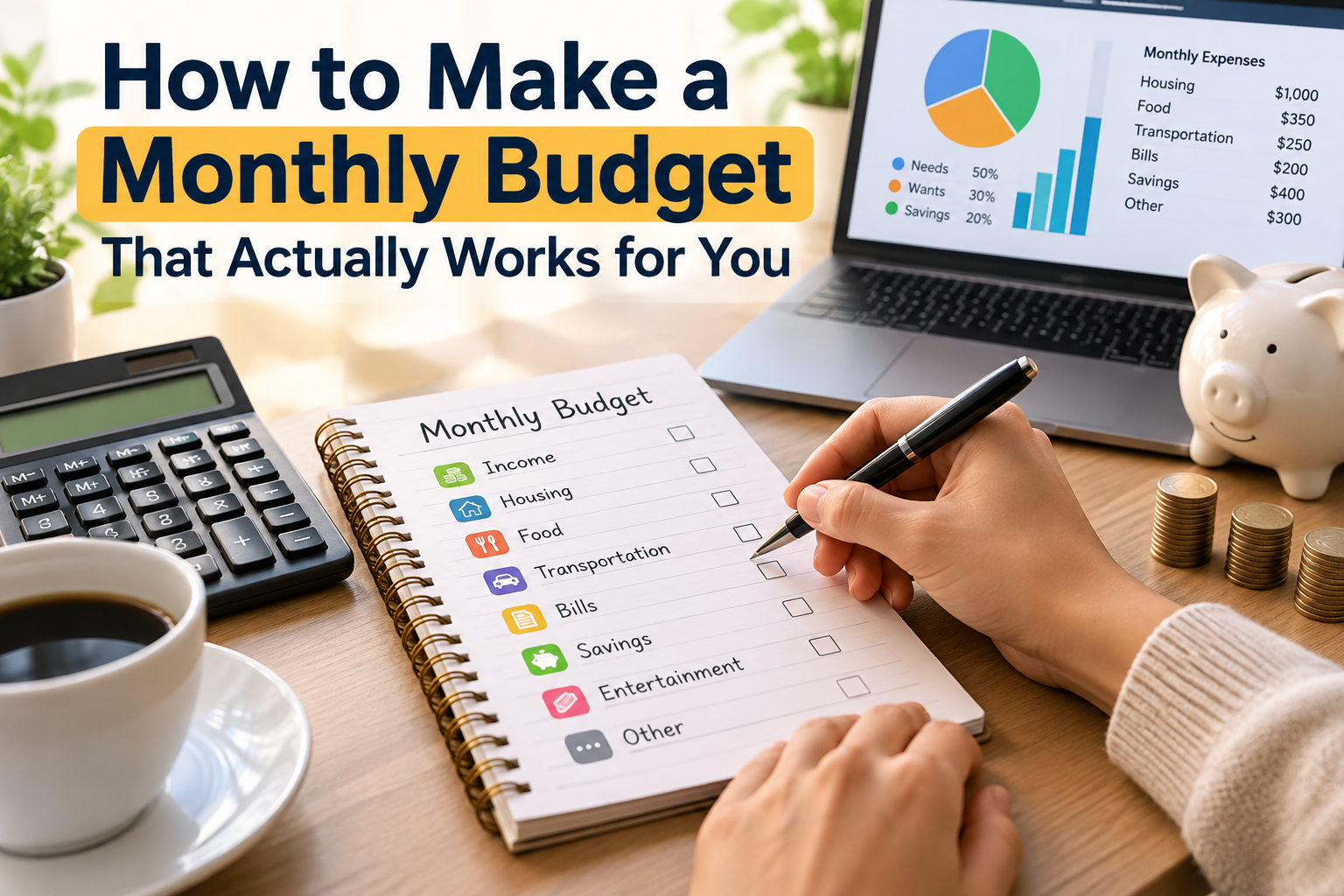
There is no single budgeting method that works for everyone. Choose a system that reflects your income family responsibilities and personal goals. One popular option is the 50/30/20 guideline. It divides take-home income into 50% for needs 30% for wants and 20% for savings and debt repayment. These percentages are a starting point rather than a strict rule. People living in expensive areas or managing large debt payments may need a different balance.
Another option is zero-based budgeting. With this approach you assign every unit of income a purpose until your planned income minus planned expenses equals zero. This does not mean spending all your money. Savings and debt repayments can also be assigned categories.
An envelope system can work well for people who want spending limits for categories such as groceries and entertainment. You can use physical envelopes or separate digital categories. The right Monthly Budget method is one that helps you make decisions without creating unnecessary stress.
Plan for Savings and Irregular Expenses
Savings should not depend entirely on whatever remains at the end of the month. If possible include a realistic savings contribution as part of your plan. You might start with a small emergency fund and build it gradually. You can also create separate savings goals for education travel home repairs or future purchases. Remember that some expenses occur only once or twice a year.
For example if an annual insurance payment costs $600 you could set aside $50 each month to prepare for it. This approach spreads the cost across the year instead of leaving you to find the entire amount at once. A practical Monthly Budget includes these less frequent expenses because ignoring them can make an otherwise balanced plan appear more affordable than it really is.
Set Realistic Spending Limits
Once you know your income and typical expenses decide how much you can allocate to each category. Use your past spending as a guide rather than choosing amounts that look good on paper. For example if you usually spend $350 on groceries setting a limit of $150 may be unrealistic for your household. A smaller reduction that you can maintain may be more useful than a strict target that fails after a week.
Your Monthly Budget should reflect your actual living costs and personal responsibilities. If expenses exceed income focus first on essential bills and look for reasonable adjustments to flexible spending. If there is little room to cut costs you may also need to explore ways to increase income or seek appropriate financial guidance.
Match Bills With Your Paydays
Sometimes a person earns enough over the month but still struggles because bills arrive before the next paycheck. This is a cash flow problem rather than simply a spending problem. Write down the due date of each major bill and compare it with your expected paydays. If possible ask service providers whether they can change a payment date to better match your income schedule.
A Monthly Budget becomes more useful when it accounts for the timing of money coming in and going out. This is particularly important for people who receive weekly wages or irregular freelance payments. The Consumer Financial Protection Bureau also recommends reviewing cash flow and bill timing when managing everyday spending.
Review and Adjust Your Plan
Your first budget will rarely be perfect. Food prices can change and unexpected repairs can affect your plans. Some months may also include birthdays holidays or other additional costs. Review your spending at least once a week and compare it with your planned amounts. At the end of the month check which categories stayed on track and which ones need adjustment.
A Monthly Budget should change when your circumstances change. If your income rises you might increase savings or accelerate debt repayment. If your income falls you may need to reduce optional spending and reassess upcoming commitments. The important thing is to make adjustments based on real information rather than treating every difference as a failure.

Monthly Budget Example: A Simple Spending Plan
Consider a person who brings home $3,000 each month. The following example shows how a budget might look. The figures are illustrative and should be adjusted to local living costs and personal circumstances.
| Category | Monthly amount |
|---|---|
| Rent and housing costs | $1,000 |
| Groceries | $350 |
| Utilities and phone | $200 |
| Transport | $250 |
| Debt payments | $200 |
| Savings and emergency fund | $400 |
| Healthcare and personal needs | $200 |
| Entertainment and dining | $200 |
| Other expenses | $200 |
| Total planned spending | $3,000 |
In this example income and planned allocations balance at $3,000. The $400 savings allocation is included in the plan rather than left to chance. This does not mean the same amounts will suit every household. Someone with higher rent or medical costs may have less room for savings. Someone who shares housing costs may have more flexibility.
The value of a Monthly Budget is that it makes these trade-offs visible. You can identify where your money needs to go and decide which changes are realistic for your situation.
Common Budgeting Mistakes to Avoid
One common mistake is setting limits that are too strict. Cutting every enjoyable expense may feel motivating at first but can make your plan difficult to maintain. Leave reasonable room for personal spending where your finances allow. Another mistake is forgetting irregular costs. Gifts annual fees repairs and seasonal expenses can disrupt a budget if they are not planned for in advance.
Some people also create a Monthly Budget but never compare it with their actual spending. Without regular reviews it is difficult to know whether your plan reflects reality. Finally avoid comparing your budget with someone else’s financial situation. Income housing costs family responsibilities and access to support differ widely. Your plan should reflect your own needs rather than an unrealistic standard.
If you are struggling to cover essential bills even after reviewing your spending the problem may not be poor budgeting. Local nonprofit debt advisers or reputable financial counselling services may help you understand the options available to you.
Tips to Make Your Monthly Budget Easier to Follow
Keep your budgeting system simple. If updating a spreadsheet takes too long use a basic notebook or a secure budgeting application. The goal is to maintain a clear record rather than spend hours managing categories. You can also automate regular savings when your income and account balance allow it. Check the timing of automatic payments first so they do not leave you short of money for essential bills.
Another useful approach is to set a weekly spending limit for flexible categories. This helps you notice when you are approaching your limit before the month ends. Treat your Monthly Budget as a planning tool rather than a punishment. If you overspend in one category review the reason and adjust your plan. Consistency and honest tracking are more valuable than trying to follow a perfect budget every month.

Frequently Asked Questions
Q1. How do I create a Monthly Budget for the first time?
Start by calculating your take-home income and reviewing your recent expenses. Then set spending limits for essential bills flexible expenses and savings. Review your results and adjust your plan after the first month.
Q2. What is the 50/30/20 budgeting rule?
The 50/30/20 rule suggests allocating 50% of take-home income to needs 30% to wants and 20% to savings and debt repayment. It is a guideline rather than a requirement and may need adjustments to suit your circumstances.
Q3. How much money should I save each month?
The right amount depends on your income essential expenses debt and financial goals. Start with an affordable contribution and increase it when your circumstances allow. Even small regular contributions can help build a savings habit.
Q4. What should I do if I spend more than my budget allows?
Identify which categories exceeded their limits and why. Adjust unrealistic estimates and reduce flexible spending where possible. If essential costs exceed your income consider seeking financial guidance and exploring options to improve your income or manage payments.
Q5. How often should I review my Monthly Budget?
Check your spending weekly and review the complete plan at the end of each month. Update it when your income expenses or financial goals change. Regular reviews help keep your plan practical and relevant.
Final Thoughts
A successful Monthly Budget is not about controlling every small purchase. It is about understanding your money and making thoughtful decisions that support your needs today and your goals for the future.
Start with your actual income and expenses. Prioritize essential bills and set realistic savings targets. Review your progress regularly and make changes whenever necessary.
Your first plan may need several adjustments before it feels comfortable. That is normal. With consistent tracking and realistic expectations a Monthly Budget can become a useful part of your financial routine and help you approach money decisions with greater confidence.
3 thoughts on “How to Make a Monthly Budget That Actually Works for You”